Understanding Dry Scalp and Dandruff
Seeing white flakes on your shoulders can be frustrating and embarrassing. Many people think it is automatically Dandruff, but sometimes the real problem is simply a dry scalp. Even though both conditions look similar, the causes and treatments are completely different.
If you are dealing with constant flakes, itching, or an irritated scalp, the first step is learning how to identify whether it’s dry scalp or dandruff. Once you understand the difference, treating the problem becomes much easier. In this guide, you’ll quickly learn how to spot the signs and treat both conditions for a healthier, flake-free scalp.
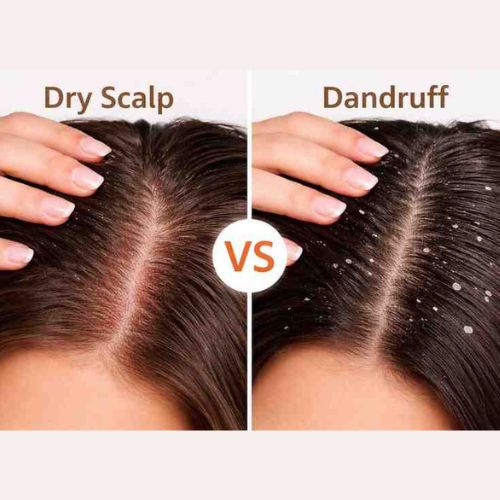
Dry scalp – itchiness, small white flakes, tight skin
Dry scalp happens when the scalp does not have enough natural moisture or oil. This leads to itchiness, small white flakes, and tight skin on the scalp.
1. Lack of Natural Oil
Your scalp produces natural oil (sebum) to keep the skin moisturized. When the scalp does not produce enough oil, the skin becomes dry and flaky. Washing hair too often, using strong shampoos, or exposure to sun and pollution can remove these natural oils. As a result, the scalp loses moisture and becomes dry.
2. Cold or Dry Weather
Weather plays a big role in scalp health. During winter or in dry climates, the air contains less moisture. This can make the scalp dry, leading to itching and flaking. Many people notice more dry scalp problems during colder months.
3. Using Harsh Hair Products
Some shampoos, conditioners, and hair styling products contain strong chemicals like sulfates or alcohol. These ingredients can strip the scalp of its natural oils and cause dryness. Frequent use of such products may irritate the scalp and lead to dryness.
4. Dehydration
Not drinking enough water can affect your skin and scalp. When the body is dehydrated, the scalp may also lose moisture and become dry. Drinking enough water helps maintain healthy skin and scalp.
5. Poor Diet
A diet low in nutrients such as vitamin E, omega-3 fatty acids, and protein can lead to dry skin and scalp. Eating too much junk food and not enough fruits, vegetables, and healthy fats may contribute to scalp dryness.
6. Skin Conditions
Sometimes dry scalp can be caused by skin conditions such as Dandruff, Seborrheic Dermatitis, Psoriasis, or Eczema. These conditions can cause itching, redness, and flakes on the scalp.
Simple tip: Regular oil massage with coconut oil, eating a balanced diet, and using a mild shampoo can help reduce dry scalp.
Dandruff – white or yellow flakes
Dandruff is a common scalp condition that causes white or yellow flakes on the scalp and hair, along with itching. It is not contagious, but it can be uncomfortable and sometimes embarrassing.
Common Causes of Dandruff
1. Oily Scalp
Too much oil on the scalp can lead to dandruff. When oil mixes with dead skin cells, it forms flakes that fall from the scalp.
2. Fungal Growth
A yeast-like fungus called Malassezia lives naturally on the scalp. When it grows too much, it can irritate the scalp and cause dandruff.
3. Dry Skin
People with dry skin often experience dandruff, especially during winter. Dry scalp flakes are usually smaller and less oily.
4. Poor Hair Hygiene
Not washing hair regularly can cause oil and dead skin cells to build up on the scalp, leading to dandruff.
5. Hair Products Sensitivity
Some shampoos, hair oils, gels, or sprays may irritate the scalp and cause dandruff-like flakes.
6. Skin Conditions
Certain skin conditions like Seborrheic Dermatitis, Psoriasis, or Eczema can also cause dandruff symptoms.
comparison table – Dry Scalp vs Dandruff
Here is a simple comparison table for Dry Scalp vs Dandruff that you can identify correctly
| Dry Scalp | Dandruff | |
|---|---|---|
| Flake Type | Small, white, dry flakes | Larger flakes that may look yellow or oily |
| Scalp Condition | Dry, tight, and rough scalp | Oily, irritated, sometimes red scalp |
| Main Cause | Lack of moisture in the scalp | Excess oil and fungal growth |
| Fungus Involved | Usually not related to fungus | Often linked to Malassezia |
| Itching Level | Mild itching | Moderate to severe itching |
| Weather Effect | Worse in cold or dry weather | Can happen in any season |
| Hair Oil Presence | Scalp feels dry | Scalp often feels greasy |
| Treatment | Moisturizing oils, hydration, mild shampoo | Anti-dandruff shampoo and scalp treatment |
Scientific Reason – Explanation
Dry Scalp vs Dandruff may appear similar because both cause scalp flakes, but their underlying causes are different. Dry scalp occurs when the scalp loses moisture and natural oils produced by sebaceous glands. Reduced oil production weakens the skin barrier and increases water loss, leading to dryness, irritation, and small white flakes.
Dandruff is mainly caused by the overgrowth of a yeast-like fungus called Malassezia, which feeds on scalp oils. This process irritates the scalp and speeds up skin cell turnover, causing larger flakes that often appear oily. Severe dandruff is sometimes associated with Seborrheic Dermatitis, a chronic inflammatory scalp condition.
Final Thoughts
Dry scalp and dandruff may look similar, but their causes are different. Dry scalp happens because of lack of moisture, while dandruff is usually related to excess oil and fungal growth. Identifying the correct problem helps you choose the right treatment.
With proper scalp care, a healthy diet, gentle hair products, and regular hair washing, you can keep your scalp healthy and reduce flakes. If the problem continues for a long time, consulting a dermatologist can help find the right treatment.
FAQs
1. How can I tell if I have dry scalp or dandruff?
Dry scalp usually causes small white flakes, itching, and tight skin because the scalp lacks moisture. Dandruff, on the other hand, often produces larger white or yellow flakes and is usually linked to excess oil or fungal growth. Understanding whether the scalp is dry or oily helps identify the condition correctly.
2. What causes dry scalp?
Dry scalp happens when the scalp loses moisture or natural oils. Common causes include cold weather, harsh shampoos, dehydration, poor diet, and frequent hair washing. When the scalp does not have enough moisture, it becomes itchy and flaky.
3. What causes dandruff?
Dandruff is mainly caused by excess oil on the scalp and the growth of a yeast-like fungus called Malassezia. Other factors like stress, product buildup, poor scalp hygiene, and sensitivity to hair products can also contribute to dandruff.
4. Can dry scalp turn into dandruff?
Dry scalp and dandruff are different conditions, but severe dryness or irritation can sometimes lead to dandruff-like flakes. If oil production increases and fungal growth develops, dandruff may appear.
5. How can I treat dry scalp naturally?
Natural treatments for dry scalp include oil massage with coconut oil, drinking enough water, eating healthy foods rich in omega-3 and vitamin E, and using a mild moisturizing shampoo.