The Importance of Iron for Overall Health and Hair Growth
Iron is one of the most essential nutrients required for maintaining good health. It plays a vital role in the production of hemoglobin, which helps transport oxygen to all parts of the body. When iron levels are adequate, the body functions more efficiently, reducing fatigue and weakness. In addition, iron supports a healthy immune system, proper brain function, and healthy hair growth. A deficiency of iron can lead to anemia, excessive hair loss, and various other health problems. Therefore, including iron-rich foods in your daily diet is essential for overall well-being and maintaining strong, healthy hair. Iron deficiency affects the strength and shine of hair, resulting in brittle, dry, and lifeless strands that are more prone to breakage.
How Much Iron Does the Body Need?
The amount of iron required by the body varies depending on age, gender, and overall health.
Recommended Daily Iron Intake
- Men (19 years and older) – 8 mg per day
- Women (19–50 years) – 18 mg per day
- Pregnant women – 27 mg per day
- Breastfeeding mothers – 9–10 mg per day
- Women over 50 years – 8 mg per day
What Happens If You Have Iron Deficiency?
When the body lacks enough iron, the level of hemoglobin in the blood can decrease, leading to anemia. This may cause:
- Excessive hair loss
- Hair thinning
- Fatigue and weakness
- Dizziness
- Shortness of breath
- Difficulty concentrating
Why Is Iron Important for Hair Growth?
Iron deficiency affects the supply of oxygen and nutrients to hair follicles, leading to weaker roots and slower hair growth. Iron plays a crucial role in transporting oxygen to the hair follicles. When hair roots receive an adequate supply of oxygen and nutrients, they become stronger and healthier. As a result, iron helps reduce hair fall, supports healthy hair growth, and improves overall hair health.
How Does Iron Deficiency Women’s Hair? Causes and Solutions
Iron deficiency can significantly affect hair health in women. When hair follicles do not receive enough oxygen and essential nutrients, several hair-related problems may occur.
1. Excessive Hair Fall
Iron deficiency can disrupt the normal hair growth cycle, causing more hair to shed than usual.
2. Hair Thinning
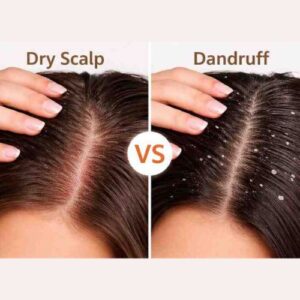
Hair density may decrease, making the hair appear thinner. In some cases, the scalp may become more visible, especially along the parting line.
3. Slow Hair Growth
Without an adequate supply of oxygen to the hair follicles, new hair growth may become slower and less noticeable.
4. Weak and Brittle Hair
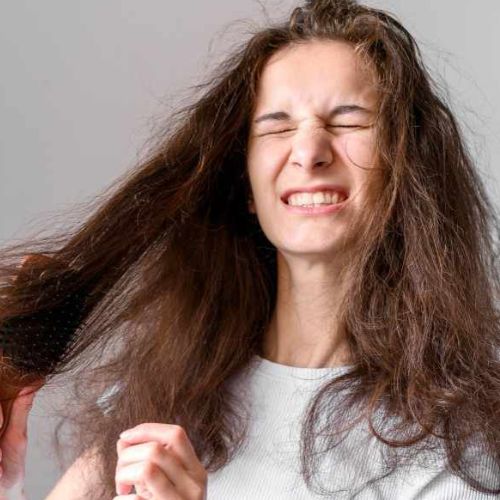
Iron deficiency can weaken the hair structure, making strands more prone to breakage and damage.
5. Dull and Lifeless Hair
Hair may become dry, lack shine, and appear dull and unhealthy.
How to Correct Iron Deficiency-Related Hair Problems
Eat Iron-Rich Foods
Include the following iron-rich foods in your diet:
- Moringa leaves and spinach
- Dates
- Black gram and other legumes
- Sesame seeds
- Fish, eggs, and meat
Combine Iron with Vitamin C
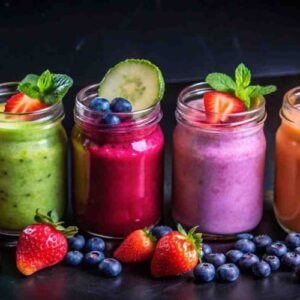
Vitamin C helps the body absorb iron more effectively. Include Vitamin C-rich foods such as:
- Lemon
- Orange
- Amla (Indian gooseberry)
Limit Tea and Coffee Around Meals
Drinking tea or coffee immediately after meals may reduce iron absorption. It is best to consume them at a different time.
Get Tested Under Medical Guidance
If you are experiencing excessive hair loss, consider checking your Hemoglobin and Serum Ferritin levels to assess your iron status.
Consider Iron Supplements if Needed
If recommended by your doctor, iron tablets or supplements may help restore healthy iron levels and improve hair health.
Why Should You Take Vitamin C Along with Iron-Rich Foods?
Yes, It is very important to consume Vitamin C-rich foods along with iron-rich foods.
The reason is that the iron found in plant-based foods such as leafy greens, legumes, and sesame seeds is not easily absorbed by the body. Vitamin C helps convert this iron into a form that is easier for the body to absorb, significantly improving iron absorption.
For example, when eating moringa leaves, spinach, or lentils, you can add a squeeze of lemon juice. Likewise, Vitamin C-rich fruits such as amla (Indian gooseberry), oranges, and guava can be included with your meals.
Healthy Food Combinations
- Leafy greens + lemon juice
- Lentils + tomatoes
- Sesame seeds + amla
- Iron-rich foods + oranges or guava
Important Tip
Avoid drinking tea or coffee immediately after eating iron-rich foods. Certain compounds in tea and coffee can reduce the body’s ability to absorb iron effectively.
Conclusion
Iron deficiency affects hair density by causing excessive shedding and gradual hair thinning, making the scalp more visible.
When Iron and Vitamin C work together, the body can absorb and utilize iron more efficiently. This not only helps reduce the risk of anemia but also supports healthy hair growth, strengthens hair roots, and helps reduce hair fall.