Hair thinning and hair loss are extremely common, but one scientific reason drives most cases: DHT hair loss. Whether you’re a woman dealing with hormonal imbalance or a man noticing thinning at the crown, DHT is often the real culprit. Understanding how DHT works—and how to block it naturally—is the first step in restoring healthier, thicker hair.
This blog explains what DHT is, how it causes hair loss, and which foods, habits, and treatments truly help. With clear science and easy solutions, you’ll understand exactly how to fight dht hair loss effectively.
What Is DHT? (Simple + Scientific)
DHT (Dihydrotestosterone) is a hormone formed from testosterone. Your body converts testosterone into DHT using an enzyme called 5-alpha reductase.
DHT is important during puberty, but too much of it becomes a problem—especially for your hair follicles.
Why DHT hurts your hair
DHT attaches to receptors on your hair follicles. When this happens:
- follicles shrink (called miniaturization)
- hair grows thinner
- growth phase becomes shorter
- hair falls out faster
This process is the primary cause of dht hair loss in both men and women.
How DHT Causes Hair Thinning
Hair has a natural growth cycle:
- Anagen (Growth phase)
- Catagen (Transition)
- Telogen (Resting/Shedding)
When DHT levels rise, the anagen phase becomes shorter. Your follicle spends more time in the shedding phase, leading to visible thinning.
Scientific explanation:
High DHT leads to:
- reduced blood flow to follicles
- decreased nutrient supply
- weak, thin strands
- premature shedding
This is why reducing DHT is the key to reversing dht hair loss.
Why DHT Affects Some People More
Not everyone reacts to DHT the same way. People who suffer from dht hair loss usually have:
1. High DHT sensitivity
Follicles respond strongly to DHT even at normal levels.
2. Genetic factors
If your parents or grandparents had thinning hair, you may inherit the same DHT sensitivity.
3. Hormonal imbalance
Conditions such as:
- PCOS
- Thyroid issues
- Postpartum changes
- Stress-driven cortisol spikes
can increase DHT production.
Signs You Have DHT Hair Loss
You may be dealing with dht hair loss if you notice:
- thinning at the crown
- receding hairline
- weaker, shorter baby hairs
- widening hair part (women)
- excessive shedding after stress
- slow regrowth
DHT thinning is gradual but progressive, so early detection is important.
Foods That Naturally Block DHT (Scientifically Supported!)
Diet plays a big role in controlling dht hair loss. Certain foods naturally block the 5-alpha reductase enzyme and lower DHT levels.
⭐ 1. Pumpkin Seeds
Rich in zinc and phytosterols, pumpkin seeds help slow DHT production.
⭐ 2. Green Tea
Contains EGCG — a strong natural DHT blocker.
⭐ 3. Flaxseeds
High in lignans, which reduce testosterone-to-DHT conversion.
⭐ 4. Saw Palmetto (Fruit)
Scientifically proven to block 5-alpha reductase.
⭐ 5. Soy Foods
Isoflavones help regulate hormones and reduce DHT formation.
⭐ 6. Turmeric
Curcumin helps reduce inflammation and blocks the DHT pathway.
⭐ 7. Almonds & Walnuts
Healthy fats improve hormone balance.
⭐ 8. Tomatoes
Lycopene reduces DHT levels naturally.
⭐ 9. Spinach
Rich in magnesium, which supports hormonal control.
⭐ 10. Avocado
Loaded with plant sterols that fight DHT buildup.
Include these daily to reduce dht hair loss from the inside out.
Daily Habits That Reduce DHT Naturally
1. Reduce Sugar & Junk Food
Sugar spikes insulin which increases DHT production.
2. Lower Stress Levels
High cortisol → higher DHT.
Try meditation, sleep improvement, gentle yoga.
3. Maintain Healthy Weight
Body fat imbalance can increase DHT conversion.
4. Wash Scalp Regularly
A clean scalp prevents DHT buildup around follicles.
Top DHT-Blocking Hair Care Ingredients (Science-Backed)
1. Saw Palmetto
Blocks DHT at the follicle receptor.
2. Caffeine
Stimulates hair root and fights miniaturization.
3. Rosemary Oil
Studies show it works similar to Minoxidil for many users.
4. Peppermint Oil
Improves blood flow around follicle.
5. Niacinamide
Strengthens roots and reduces inflammation caused by DHT.
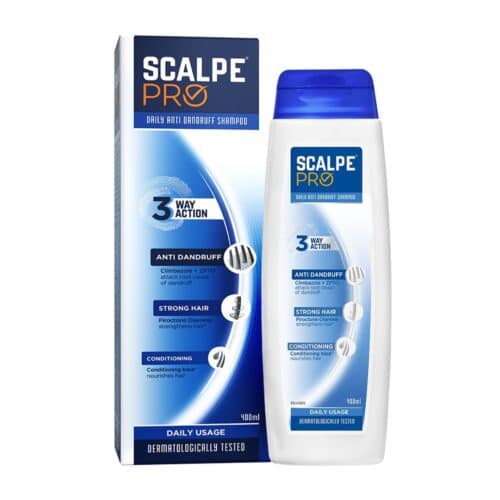
6. Ketoconazole (1% or 2%)
A medically proven DHT-blocking shampoo ingredient.
Using these consistently can significantly reduce dht hair loss.
Lifestyle Tips to Fight DHT Hair Loss
1. Increase Protein Intake
Hair is 90% keratin; protein deficiency accelerates thinning.
2. Add Omega-3 Fats
From walnuts, chia seeds, salmon (if non-veg).
3. Strengthen Scalp Circulation
A 5-minute daily scalp massage can improve blood flow and re-open shrunken follicles.
4. Avoid Over-Styling
Heat, chemicals, and tight hairstyles make DHT thinning worse.
Medical Options (If Natural Remedies Aren’t Enough)
If your dht hair loss is advanced:
1. Minoxidil
Improves blood flow and stimulates regrowth.
2. Finasteride
Blocks 5-alpha reductase.
(Usually recommended for men; women must consult a doctor.)
3. PRP Therapy
Uses your platelet-rich plasma to boost follicle growth.
4. Low-Level Laser Therapy (LLLT)
Scientifically shown to boost hair density.
Always consult a dermatologist before starting medication.
Conclusion
DHT is one of the biggest reasons for hair loss today. It shrinks follicles, weakens strands, and shortens the hair growth cycle. But the good news is: you can control DHT naturally through diet, lifestyle, and the right products.
By adding DHT-blocking foods, scientific hair care ingredients, and healthier routines, you can slow down—and even reverse—dht hair loss over time.