
Winter Foods That Effectively Fix Hair Dryness in Winter (Women’s Guide)
Winter might feel cozy, but your hair definitely doesn’t agree.
The colder the weather gets, the drier your hair becomes — leading to frizz, roughness, static, dryness, dandruff, and sometimes even hair fall. Most women try to fix this with oils, hair masks, and serums… but the truth?
If your diet is dry, your hair becomes dry.
Winter is the season where you must nourish your body from inside so your hair stays soft, shiny, and healthy no matter how cold it is outside.
So today, let’s talk about the top winter foods that work effectively for hair dryness. These foods don’t just control dryness — they repair hair, improve texture, add shine, and make your hair winter-proof naturally.
Why Winter Makes Your Hair Dry
Before we jump into the foods, here’s a quick reality check:
Winter= moisture loss everywhere.
Cold winds remove hydration, and indoor heaters dry the scalp. So your hair needs more nutrients, more hydration, and more healthy fats than usual.
And that’s exactly what these winter foods give you.
Top Winter Foods That Effectively Treat Hair Drynes
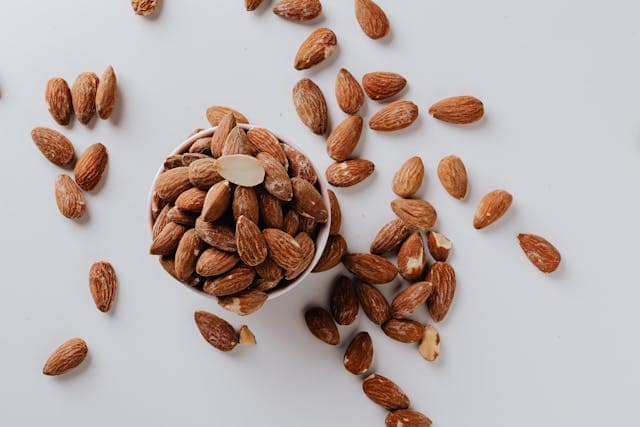
1. Almonds – The Moisture Boost Your Hair Craves
Almonds are rich in Vitamin E, biotin, and healthy fats.
These nutrients make your hair softer, thicker, and naturally shiny.
In winter, almonds work like magic by strengthening hair strands and preventing dryness.
How to take:
Eat 5–6 soaked almonds every morning.
2. Walnuts – Omega Power for Smooth Hair
Walnuts are the queens of winter hair nutrition.
Packed with omega-3 fatty acids, they restore moisture and reduce winter frizz.
Your scalp stays hydrated, your hair feels smoother, and breakage reduces.
How to take:
Eat a small handful of walnuts daily.
3. Sweet Potatoes – The Secret to Natural Shine
If your hair looks dull in winter, sweet potatoes are your savior.
They are loaded with beta-carotene, which boosts natural scalp oil (sebum) production.
When your scalp produces healthy oils, dryness disappears.
How to take:
Include roasted sweet potatoes in lunch or dinner
4. Spinach – Hydration + Iron = Soft Hair
Winter dryness often gets worse when your iron levels drop.
Spinach brings iron, folate, Vitamin C, and antioxidants — everything your hair roots need to stay nourished.
How to take:
Have spinach dal, curry, or a spinach smoothie 3–4 times a week.
5. Avocado – Deep Nourishment from Inside
Avocado is a winter blessing.
Rich in healthy fats, Vitamin E, and biotin, it hydrates your hair from the inside and repairs damage caused by cold weather.
Your hair becomes soft, fuller, and less frizzy.
How to take:
½ avocado daily or add it to a smoothie.
6. Greek Yogurt – Protein to Fight Winter Roughness
Hair is made of protein, so when winter weakens your hair, protein-rich foods save you.
Greek yogurt strengthens hair, reduces dryness, and improves smoothness.
How to take:
Eat one bowl of yogurt during breakfast or lunch.
7. Eggs – Shine + Strength in One
Winter dryness also brings hair fall.
Eggs contain protein, biotin, and Vitamin D — a perfect trio to stop dryness and breakage.
How to take:
Have 1–2 eggs daily in your winter diet.
8. Coconut – The Good Fat That Hydrates Naturally
Coconut is a traditional winter remedy for dry hair.
Its healthy fats hydrate your scalp and make your hair naturally glossy.
How to take:
Eat fresh coconut pieces or add coconut in curries.
9. Sesame Seeds (Til) – Winter Superfood for Hair Smoothness
Til is famous for bringing heat, moisture, and strength during winter.
It restores shine, reduces roughness, and maintains scalp hydration.
How to take:
Eat 1 spoon sesame seeds or til ladoo daily in winter.
10. Ghee – The Old-School Trick That Always Works
Women often avoid ghee, but winter is the perfect time to add it to your diet.
Ghee improves scalp hydration, boosts shine, and reduces dryness like nothing else.
How to take:
½–1 teaspoon warm ghee daily.Winter Hair Diet Plan (Simple & Effective)
Morning
Warm water + soaked almonds
Breakfast
Greek yogurt with fruits or an egg omelette
Lunch
Spinach dal + sweet potatoes
Evening Snack
Walnuts or coconut pieces
Dinner
Egg curry or avocado salad
Before Bed
Warm ghee (½ teaspoon)
Follow this for just 10–12 days and you will literally see your hair becoming softer, smoother, and healthier. Extra Bonus: Drink Warm Water
Most women forget one simple rule:
If your body is dehydrated, your hair will be dry.
Drink 6–8 glasses of warm water every day in winter to keep your hair hydrated from the inside. Final Words
Winter doesn’t have to be the season of rough, lifeless hair.
With the right foods, you can keep your hair nourished, shiny, and strong throughout the cold months — naturally and effortlessly.
Just add these winter-friendly foods to your routine and see the difference:
Your hair stays moisturized, your scalp feels healthy, and your winter hair game becomes unbeatable.
FAQ Section
1. Which foods help reduce winter hair dryness?
Foods rich in omega-3, protein, vitamin E, and healthy fats — like walnuts, eggs, spinach, berries, and avocado — deeply nourish hair and reduce dryness.
2. How long does it take to see results from winter foods?
Consistent intake for 3–4 weeks starts showing smoother texture, less dryness, and healthier shine.
3. Why does hair become dry in winter?
Cold air pulls moisture from the hair cuticle, causing dryness, frizz, and breakage. Dry indoor heating also worsens it.
4. Do winter foods help with hair fall too?
Yes! Foods like almonds, yogurt, lentils, and sweet potatoes reduce dryness-related hair fall and strengthen roots.
5. Can I eat these foods daily?
Absolutely. These foods are safe for everyday consumption unless you have allergies or medical restrictions.
6. Should I take supplements in winter for dry hair?
Natural foods should be your first choice, but omega-3 or biotin supplements can help if your diet is lacking.


